
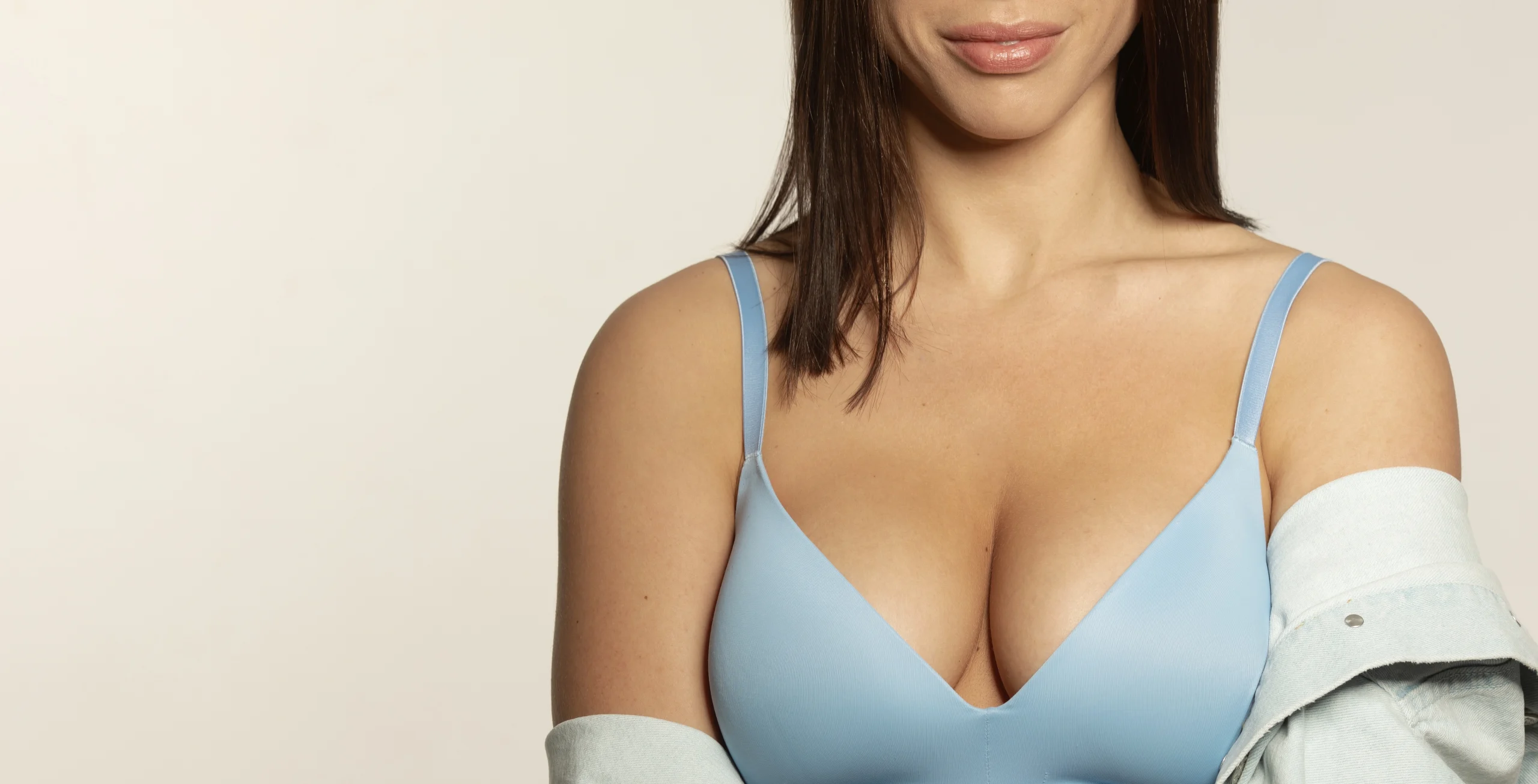
Breast Implants vs. Fat Transfer: Which Option Is Best for You?
Understanding Breast Augmentation with Implants
Breast implants have been the gold standard for breast enhancement for decades, offering reliable and significant volume increases. This surgical procedure involves placing silicone or saline implants either behind the breast tissue or beneath the chest muscle to create fuller, more prominent breasts.
The Breast Implant Procedure
The breast implant procedure typically takes one to two hours under general anesthesia. Your surgeon makes an incision in one of several locations: under the breast fold, around the areola, or in the armpit. Through this incision, a pocket is created to hold the implant. Modern implants come in various shapes, sizes, and textures, allowing for significant customization.
Recovery from implant surgery generally requires 1-2 weeks to return to work and 4-6 weeks to resume strenuous activities. Most patients experience swelling, bruising, and discomfort during the initial healing period, which gradually subsides over several weeks.
Achieving Your Desired Breast Size
One of the primary advantages of implants is the ability to achieve dramatic changes in breast size. Women can typically increase their cup size by one to several sizes, depending on their goals and existing tissue. During your consultation, you’ll work with your surgeon to select the appropriate implant volume, measured in cubic centimeters, to achieve your target appearance.
Implants provide predictable results, meaning your surgeon can show you before-and-after photos of similar cases and give you a clear expectation of your outcome. The implants maintain their volume permanently, though they may need replacement after 10 to 20 years due to normal wear or complications.
Exploring Breast Fat Transfer
Breast augmentation with fat transfer, also called autologous fat grafting, offers a natural alternative that uses your own body tissue rather than synthetic materials. This procedure involves harvesting fat from areas of excess, such as the abdomen, thighs, or flanks, and transferring it to the breasts.
The Dual Benefit of Fat Transfer
One compelling advantage of fat transfer is its dual benefit. Not only do you enhance your breasts with natural tissue, but you also contour other areas of your body through liposuction. This two-in-one approach appeals to women who want to reduce stubborn fat deposits while simultaneously adding volume to their breasts.
The harvested fat is purified and processed before being carefully injected into multiple layers of breast tissue. This meticulous technique helps ensure optimal fat survival and natural-looking results.
Achieving Natural Breast Shape
Fat transfer excels at creating a natural breast shape that looks and feels authentic. Since the enhancement uses your own tissue, the results integrate seamlessly with your existing breast composition. The breasts maintain natural movement and softness that synthetic implants cannot replicate.
However, fat transfer has limitations in the amount of volume that can be added. Typically, patients can expect an increase of one cup size or less per procedure. Some women require multiple fat transfer sessions to achieve their desired size, as only a portion of the transferred fat establishes a permanent blood supply and survives in the long term. Survival rates vary but generally range from 50 to 70 percent of the transferred fat.
Comparing Key Considerations
Recovery and Scarring
Recovery from breast fat transfer is often easier than implant surgery since there’s no foreign object being placed in the body. The incisions are minimal, usually just small puncture sites that heal with barely visible scarring. Implant surgery requires larger incisions and creates more tissue trauma, potentially leading to a longer recovery period.
Longevity and Maintenance
Breast implants require ongoing monitoring and will likely need replacement at some point in your lifetime. Mammograms can be more challenging with implants, requiring special techniques. Fat transfer results are generally permanent once the fat has stabilized after a few months. The transferred fat behaves like any other fat in your body and may fluctuate with weight changes.
Cost Considerations
Breast implant surgery is typically more expensive upfront, with costs ranging from $6,000 to $12,000, depending on your location and the surgeon’s expertise. Fat transfer procedures often cost slightly less but may require multiple sessions to achieve desired results, potentially increasing the total investment.
Working with a Board-Certified Plastic Surgeon
Regardless of which breast enhancement option appeals to you, selecting a board-certified plastic surgeon is crucial for safe, successful outcomes. Board certification ensures your surgeon has completed rigorous training specifically in plastic surgery and adheres to high ethical and safety standards.
During your consultation, a qualified surgeon will evaluate your anatomy, discuss your aesthetic goals, and recommend the most appropriate technique for your situation. They’ll explain the risks and benefits of each option honestly and show you examples of their previous work.
Don’t hesitate to ask questions about your surgeon’s experience with each technique, complication rates, and revision policies. A trustworthy surgeon like Dr. Metzinger will make you feel comfortable and provide transparent information to help guide your decision.
Making Your Decision on Breast Enhancement
Choosing between implants and fat transfer ultimately comes down to your priorities and circumstances. Consider implants if you:
- Want a significant increase in volume
- Desire predictable, immediate results
- Don’t have sufficient donor fat available
- Are comfortable with synthetic materials and potential future revisions
Consider fat transfer if you:
- Prefer natural tissue and want to avoid implants
- Have excess fat in other areas you’d like to reduce
- Seek modest, natural-looking enhancement
- Want to avoid more extensive surgery and larger scars
- Are willing to potentially undergo multiple procedures
Some women even combine both approaches, using implants for volume and fat transfer for contouring and natural shaping.
Final Thoughts on Breast Augmentation with Fat Transfer vs. Implants
The breast implants vs. fat transfer debate ultimately comes down to understanding what each breast augmentation method can realistically deliver for your unique situation. Traditional breast augmentation with silicone implants or gummy bear implants remains the preferred choice for significant breast enlargement, offering predictable volume increases and well-established outcomes in cosmetic breast surgery. However, traditional breast implants do carry risks such as capsular contracture, where scar tissue forms around the implant, and they require replacement over time. Meanwhile, fat transfer breast augmentation appeals to those seeking natural breast augmentation that preserves the feel and movement of natural breast tissue. The success of this technique depends on the survival rate of transferred fat cells and on healthy fat cells that establish a blood supply after fat is injected into the breasts. However, fat transfer generally provides more modest results than implant-based approaches.
Whichever path you choose for achieving your augmented breasts, working with a qualified specialist in plastic and reconstructive surgery ensures you receive professional guidance tailored to your anatomy and goals. Both methods have evolved significantly, with improvements in surgical techniques, implant materials, and fat harvesting technology that have made cosmetic breast surgery safer and more effective than ever. Remember that the injected fat in fat transfer procedures integrates with your existing tissue over several months, while traditional breast implants provide immediate volume. By carefully weighing the benefits and limitations of each approach and maintaining realistic expectations about outcomes, you can confidently select the breast enhancement option that aligns with your vision for your body and helps you feel more comfortable and confident for years to come

About the Author
Dr. Stephen E. Metzinger
A Metairie, LA native, Dr. Metzinger is renowned for his exceptional expertise, precision, and dedication to the art and science of plastic surgery. His commitment to delivering transformative results while maintaining the highest standards of patient care has solidified his reputation as a trusted surgeon in the community and beyond.
