
Facelift vs Neck Lift: Which Procedure Actually Addresses Your Concerns?
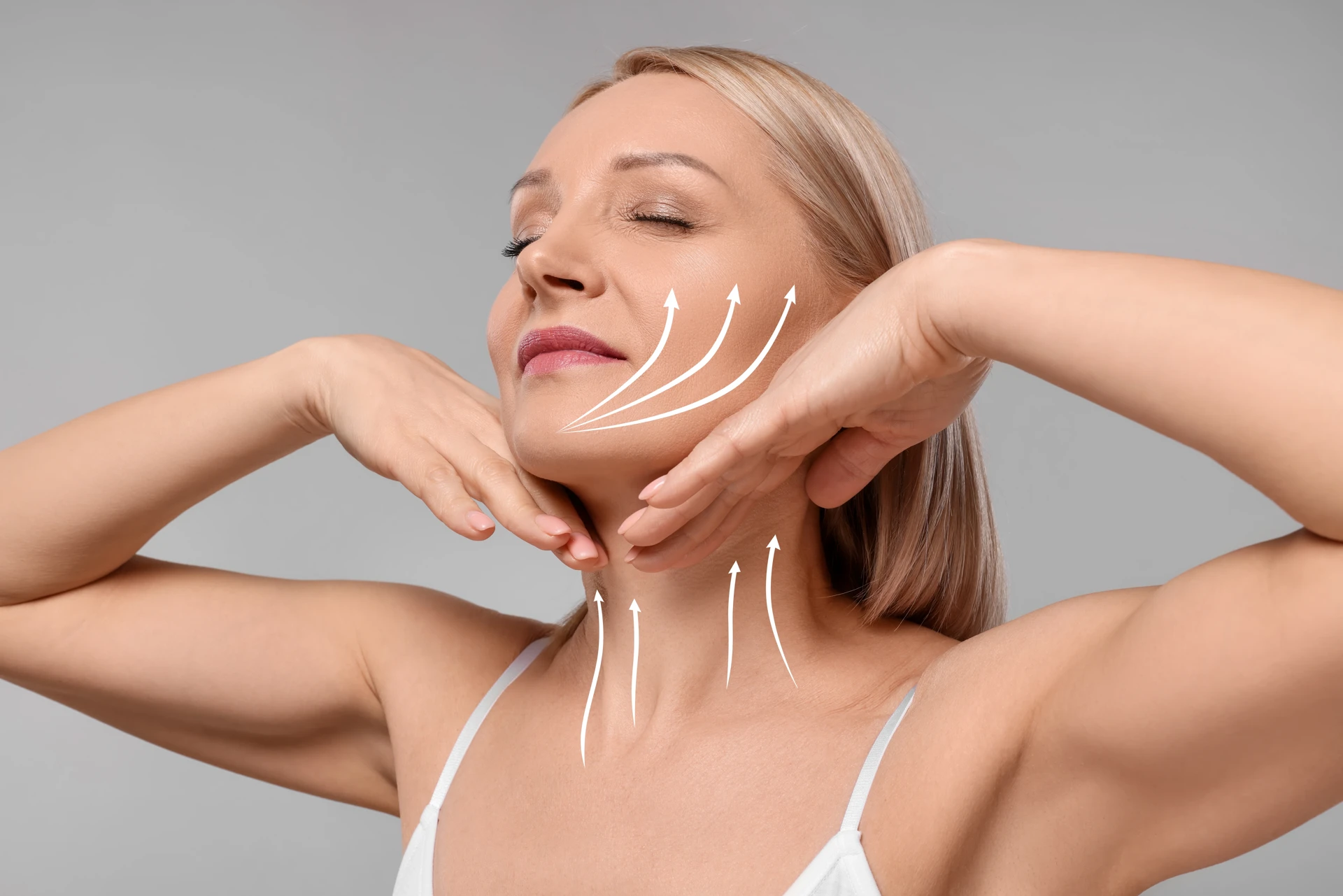
When it comes to facial rejuvenation, many people struggle to determine whether they need a facelift, neck lift, or both. The truth is that these procedures address different concerns: a neck lift specifically targets sagging skin, muscle banding, and excess fat in the neck area, while facelifts focus on the mid-to-lower face, addressing jowls, deep creases, and facial sagging. Your ideal choice depends on where your primary concerns lie: if you’re bothered by neck aging alone, a neck lift may suffice, but if you’re seeing significant changes in your face as well, a facelift or a combined approach will deliver more comprehensive results.
Understanding Plastic Surgery Options for Aging Concerns
The aging process affects different facial areas at different rates. Some people develop significant neck concerns – loose skin under the chin, vertical muscle bands, or a loss of jawline definition – while their facial structure remains relatively youthful. Others experience more pronounced changes in the cheeks, jowls, and around the mouth. Understanding which areas concern you most is the first step in determining the right surgical approach.
Modern plastic surgery offers highly customizable solutions. Rather than a one-size-fits-all approach, skilled surgeons assess your unique anatomy, aging patterns, and aesthetic goals to recommend procedures that will deliver the most harmonious results. This personalized approach ensures you’re not undergoing unnecessary surgery and that you achieve the transformation you’re seeking.
What Neck Lift Surgery Addresses
Neck lift surgery specifically targets concerns below the jawline. This procedure is ideal if you’re experiencing:
Vertical muscle bands (platysmal bands) that create visible cords in the neck
Excess skin creating a “turkey neck” appearance
Submental fullness or fat deposits under the chin
Loss of definition along the jawline
Sagging skin that doesn’t respond to non-surgical treatments
During neck lift surgery, the surgeon typically makes incisions behind the ears and, in some cases, under the chin. They then tighten the underlying platysma muscle, remove excess fat if needed, and trim away redundant skin. The result is a more defined neck contour that can take years off your appearance. For many patients with isolated neck concerns and relatively youthful facial features, this focused procedure delivers dramatic improvement without the need for more extensive facial surgery.
The Standard Facelift Approach
The standard facelift takes a more comprehensive approach to facial aging. This procedure addresses the mid-to-lower face, including:
Sagging cheeks and loss of facial volume
Deep nasolabial folds (lines running from nose to mouth)
Marionette lines extending from the mouth corners downward
Jowls along the jawline
Loose skin in the cheek and jaw area
A standard facelift involves incisions along the hairline and around the ears, allowing the surgeon to lift and reposition underlying tissues, tighten the SMAS layer (the fibrous tissue beneath the skin), and remove excess skin. This creates a more youthful facial contour with improved definition and smoother skin. However, a traditional facelift alone doesn’t always adequately address neck concerns, which is why many patients opt for combined procedures.
Advanced Techniques: The Deep Plane Facelift
The deep plane facelift represents a more advanced surgical technique that produces exceptionally long-lasting results. Unlike traditional facelifts that primarily work on the skin and superficial tissues, this approach releases and repositions the deeper facial structures as a complete unit.
During a deep plane facelift, the surgeon works beneath the SMAS layer, allowing for more significant repositioning of facial fat pads and tissues that have descended with age. This technique offers several advantages: it creates more natural facial movement, produces less of a “pulled” appearance, typically results in less visible scarring, and often provides longer-lasting results. However, it requires advanced surgical expertise and typically involves a longer recovery period than more superficial techniques.
The Mini Facelift for Early Signs of Aging
Not everyone requires extensive facial surgery. The mini facelift offers a less invasive option for patients with mild to moderate signs of aging, particularly in the lower face. This procedure uses shorter incisions and addresses early jowling and mild skin laxity without the recovery demands of a full facelift.
Ideal candidates for a mini facelift are typically in their 40s to early 50s with relatively good skin elasticity and minimal neck concerns. The procedure provides subtle rejuvenation and faster healing, making it appealing to those who want improvement without extensive downtime. However, it’s important to have realistic expectations—a mini facelift won’t achieve the same dramatic transformation as more comprehensive procedures.
Targeting Specific Areas with a Lower Facelift
A lower facelift focuses on the jawline and jowls. This focused approach addresses the transition zone between the face and neck, making it ideal for patients whose primary concerns are jowl formation and loss of jawline definition. By targeting this area, surgeons can improve definition and contour, where many people first notice aging.
The lower facelift often works particularly well when combined with other procedures. Patients might pair it with neck work to create a smooth, harmonious transition from face to neck, or combine it with fat grafting to restore volume in the mid-face while addressing lower facial sagging.
Addressing the Lower Face Comprehensively
The lower face encompasses the area from the cheekbones down to the jawline, including the jowls, nasolabial folds, and marionette lines. Aging in this region can create a heavy appearance that significantly impacts overall facial aesthetics. When addressing the lower face, surgeons must consider not just skin tightening but also the repositioning of underlying fat pads and support structures.
Many patients find that the lower face ages more noticeably than the upper face, particularly as the effects of gravity become more pronounced. A comprehensive approach to the lower face often involves lifting descended tissues back to their more youthful positions, which naturally softens deep creases and restores definition to the jawline.
Creating Harmony: Procedures for Face and Neck
For many patients, the most satisfying results come from addressing both the face and neck together. Aging rarely limits itself to one specific area, and treating both regions creates seamless rejuvenation. When you lift and tighten the face while leaving the neck untreated, the contrast can actually draw attention to neck aging. Conversely, addressing the neck alone might leave visible signs of aging on the face.
Combined face and neck procedures allow the surgeon to create smooth transitions and balanced proportions. The neck work extends the improvements achieved in the lower face, creating a continuous line of definition from the chin to the collarbone. This comprehensive approach typically delivers the most transformative and long-lasting results, though it does require a commitment to a more involved recovery process.
Recovery time varies significantly depending on which procedure you choose.
A neck lift alone typically takes about 2 weeks to recover, after which you can return to work and normal social activities, though you’ll need to avoid strenuous exercise for 4-6 weeks. Bruising and swelling are most pronounced in the first week.
For a standard or deep plane facelift, expect a similar timeline, though facial procedures sometimes involve more visible swelling in the first two weeks.
Combined face and neck procedures don’t necessarily double recovery time – most patients still return to normal activities within 2-3 weeks – but the overall healing process may take slightly longer. Most bruising resolves within 2-3 weeks, though subtle swelling can persist for several months as your final results emerge.
The mini facelift offers the quickest recovery, with many patients returning to work within 7-10 days.
Regardless of which procedure you choose, following your surgeon’s post-operative instructions carefully will help ensure optimal healing and results.
Schedule an Appointment with Our Triple Board-Certified Plastic Surgeon
Choosing between a facelift and neck lift – or determining whether you need both – requires professional evaluation of your unique anatomy and aesthetic goals. A consultation with an experienced plastic surgeon allows you to discuss your concerns, explore your options, and develop a personalized surgical plan that addresses your specific needs.
During your consultation, your surgeon will assess your skin quality, bone structure, degree of aging, and overall health to recommend the most appropriate approach. They’ll explain what each procedure can realistically achieve, show you before-and-after photos of similar patients, and help you understand what to expect throughout the surgical journey and recovery process. With the right guidance and skilled surgical execution, you can achieve natural-looking rejuvenation that enhances your confidence and helps you look as vibrant as you feel.
Final Thoughts on Neck Lift vs Facelift
Deciding between cosmetic surgery options requires careful consideration of your specific concerns. A neck lift focuses on the area below the jawline, addressing issues like a double chin, loose neck muscles, and a lack of jawline definition, while facelift surgery targets deep wrinkles and restores cheek volume in the facial area. Whether you choose a surgical procedure designed for the neck alone, a mini facelift that tightens the lower face, or comprehensive facial rejuvenation through combined facelift procedures, each option tightens sagging skin and addresses underlying muscles to restore a youthful appearance.
The good news is that these are outpatient procedures that can be customized to your needs. Some patients may also benefit from complementary treatments, such as a brow lift, to address the upper face alongside their chosen facelift or neck procedure. The key is working with an experienced surgeon who can evaluate your unique anatomy and aging patterns to recommend the approach that will deliver your desired results with natural-looking outcomes.

About the Author
Dr. Stephen E. Metzinger
