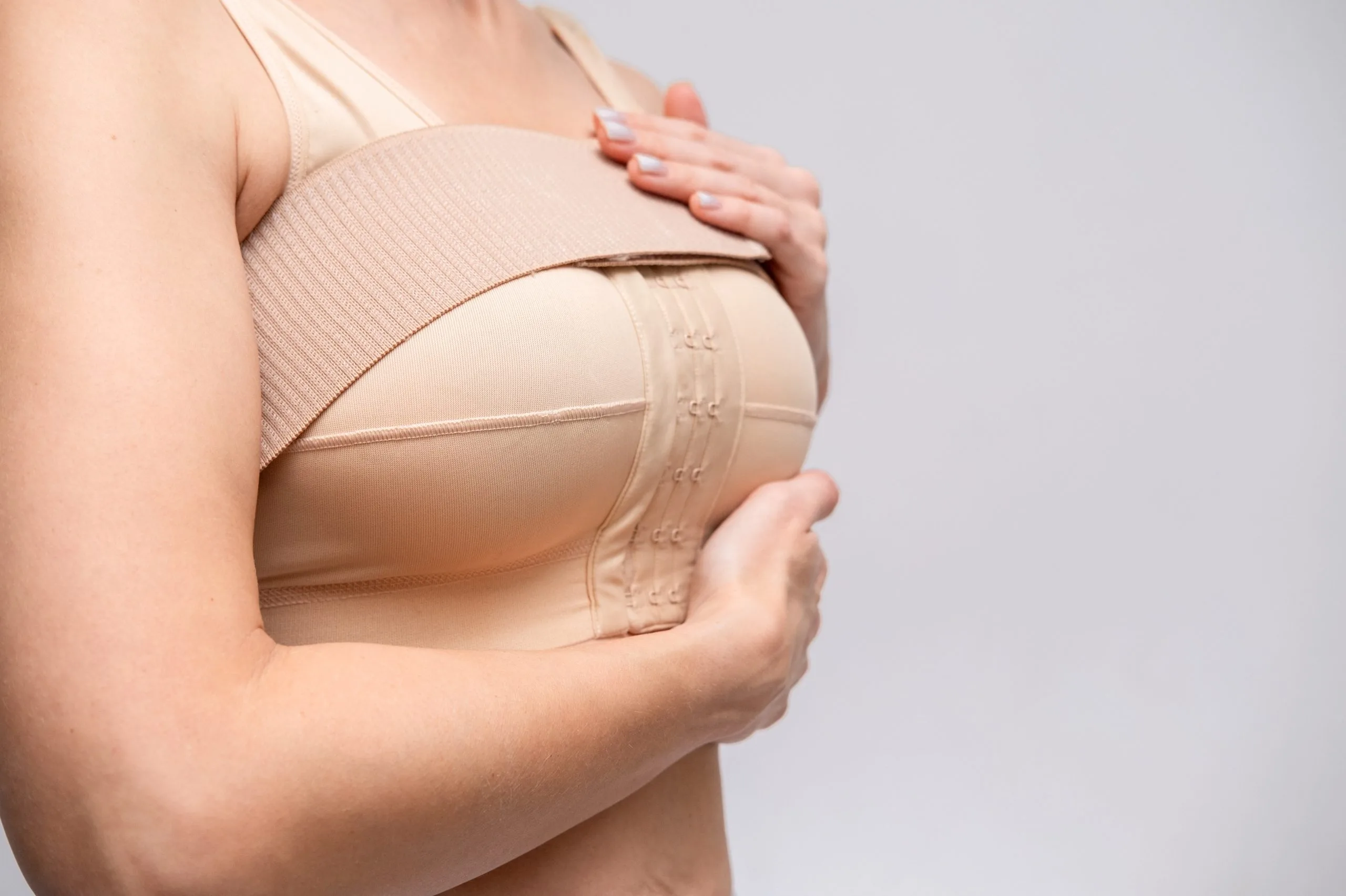
After breast augmentation, it is crucial to follow your surgeon’s post-operative instructions, take prescribed medications as directed, use supportive garments, rest with your chest elevated, and gradually resume light activity. Staying ahead of discomfort with a consistent medication schedule, proper at-home care, and attentive self-monitoring is key to a smoother, more comfortable recovery.
At Aesthetic Surgical Associates, Dr. Stephen E. Metzinger provides each patient with a personalized recovery plan to help ensure the healing process is as comfortable as possible.
Understanding Post-Operative Pain
Choosing to undergo a breast augmentation is a significant decision, and understanding the recovery process is key to a positive experience. Pain and discomfort are a normal and expected part of healing. Your body is adapting to the presence of implants and recovering from the surgical process itself. By educating yourself on what to expect, you can feel more in control and better prepared to manage your recovery journey.
What Is Normal Pain After Breast Augmentation?
It’s important to have a realistic understanding of the sensations you’ll experience post-surgery. Normal discomfort typically peaks within the first 48 to 72 hours and gradually subsides over the following weeks. These sensations are signs that your body is healing and are generally manageable with the plan your surgeon has provided.
Common, normal sensations include:
- Soreness and Aching: Your chest muscles, particularly if the implants were placed under the muscle (submuscular placement), will feel very sore, as if you’ve done an intense workout. This is due to the stretching of the muscle and surrounding tissues.
- Tightness or Pressure: Many women describe a feeling of tightness or significant pressure across the chest. This is caused by the skin and muscle stretching to accommodate the new volume of the implants, as well as post-operative swelling. This sensation can feel unusual but typically diminishes as the swelling goes down and the tissues relax over several weeks.
- Sharp, Zinging, or Shooting Pains: These are often surprising but are usually a normal part of nerve regeneration. As the small nerves that were stretched or cut during surgery begin to heal, they can send out these brief, sharp signals. They are typically intermittent and short-lived.
- Itching: As your incisions heal and nerves regenerate, you may experience significant itching around the incision lines and nipples. This is a positive sign of healing, but it’s crucial not to scratch the area. Cool compresses (if approved) and moisturizers (once cleared by your surgeon) can help.
- Numbness: It is very common to have areas of numbness, particularly in the lower part of the breasts and the nipples. Sensation usually returns gradually over several months, though some minor changes can be permanent.
Dr. Metzinger ensures that every patient at our Metairie practice is thoroughly briefed on these expected sensations during their pre-operative consultations. Understanding that these feelings are a standard part of recovery can significantly reduce anxiety.
What Is Not Normal? When to Seek Medical Advice
While some discomfort is expected, certain symptoms are not normal and warrant an immediate call to your surgeon’s office.
Contact Aesthetic Surgical Associates immediately if you experience any of the following:
- Severe, Uncontrolled Pain: Pain that is not relieved by your prescribed medication or that suddenly worsens significantly.
- Signs of Infection: This can include a fever (typically over 101°F or 38.3°C), spreading redness that is warm to the touch around the breast, pus or greenish/yellowish discharge from the incisions, or a foul odor.
- Asymmetrical Swelling or Pain: While some swelling is normal, if one breast suddenly becomes much larger, harder, or significantly more painful than the other, it could indicate a hematoma (a collection of blood) or a seroma (a collection of fluid) that needs to be addressed.
- Calf Pain or Swelling: Pain, tenderness, or swelling in your lower legs could be a sign of deep vein thrombosis (DVT), a serious condition that requires urgent care.
Your health is the top priority. Never hesitate to call our office at +1 (504) 226-8200 if you are concerned about any aspect of your recovery. It is always better to be cautious and seek professional guidance.
Common Causes of Pain During Recovery
The discomfort you feel after breast augmentation stems from several factors related to the surgery itself. Knowing the sources of the pain can help you understand why certain recovery protocols are so important.
- Incisions: The surgical incisions, whether placed in the inframammary fold (under the breast), periareolar (around the nipple), or transaxillary (in the armpit), are a direct source of localized pain as the skin and underlying tissues begin to heal.
- Tissue and Muscle Stretching: This is often the primary source of the deep ache and tightness felt in the chest. The breast tissue, skin, and underlying pectoral muscle are stretched to create a “pocket” for the implant. This is especially true for submuscular placement, where the muscle must stretch significantly, resulting in greater initial soreness.
- Swelling (Edema): Your body’s natural response to any injury is inflammation and swelling. This fluid buildup puts additional pressure on the surrounding tissues and nerves, contributing to feelings of tightness, pressure, and general discomfort.
- Nerve Irritation: During the creation of the implant pocket, small sensory nerves are inevitably stretched or cut. As they heal and regenerate, they can cause a variety of sensations, from numbness to the sharp, shooting pains mentioned earlier.
- Implant Position and Weight: The physical presence and weight of the new implants themselves can contribute to a feeling of heaviness and pressure until your body acclimates.
Breast Augmentation Recovery Stages
Recovery from breast augmentation is a process, not a single event. The nature and intensity of discomfort change as your body heals. Understanding this timeline can help you set realistic expectations and navigate each phase with confidence.
Timeline of Pain and Healing
Each patient’s experience is unique, but a general timeline can provide a useful framework for what to expect.
- Days 1-3 (The Acute Phase): This is when discomfort is at its highest. You will likely feel very sore and tired, and your chest will feel tight and swollen. Movement will be limited, and you will rely heavily on your prescribed pain medication. The focus during this time is purely on rest and pain management.
- Days 4-7 (Initial Improvement): You should start to notice a gradual decrease in pain. You may be able to begin transitioning from prescription drugs to over-the-counter pain relievers. Swelling and tightness are still significant, but you will likely feel more mobile and able to perform very light activities around the house.
- Weeks 2-3 (Turning a Corner): Pain levels should be much lower, often described more as soreness or discomfort rather than acute pain. You will feel more like yourself, but it is crucial not to overdo it. Swelling will continue to subside, and you may be cleared to start some gentle stretching exercises as instructed by Dr. Metzinger.
- Weeks 4-6 (Resuming Activity): By this point, most significant pain should be gone. You may still experience some soreness, especially after activity, and intermittent nerve “zings.” Dr. Metzinger will typically clear patients to resume most normal activities and to begin easing back into their exercise routines, though heavy lifting and strenuous chest exercises remain off-limits.
- Months 2-6 (Final Settling): Your implants will continue to “drop and fluff,” settling into their final position. Lingering swelling will resolve, and the tissues will soften. You may still have occasional mild soreness or nerve sensations, but daily life should be completely back to normal.
Medications and Pain Management
A cornerstone of a comfortable recovery is the effective use of medication. The goal is not to eliminate all sensation but to keep discomfort at a level that allows you to rest and heal properly.
Prescribed Pain Medications
After your surgery at Aesthetic Surgical Associates, Dr. Metzinger will provide you with a prescription for a narcotic pain reliever (e.g., an opioid). It is essential to follow the instructions for this medication precisely.
- Stay Ahead of the Pain: The most important rule is to take your medication on the schedule provided for the first 48-72 hours, even if you feel your pain is manageable. It is much easier to keep pain at bay than it is to get it back under control once it becomes severe.
- Take with Food: Narcotic pain relievers can cause nausea. Taking them with a small snack, like crackers or toast, can help prevent an upset stomach.
- Side Effects: Be aware of common side effects like constipation, drowsiness, and nausea. Increase your fiber and fluid intake to combat constipation. Do not drive, operate machinery, or make important decisions while taking narcotics.
Over-the-Counter Options
As your pain subsides, you will transition to over-the-counter (OTC) options. It is critical to discuss this transition with our team first.
- Acetaminophen (Tylenol): This is a pain reliever and fever reducer. It is often a good first step when weaning off narcotics. Be very careful not to exceed the maximum daily dose, especially since some prescription narcotics also contain acetaminophen.
- NSAIDs (Ibuprofen, Naproxen): Non-steroidal anti-inflammatory drugs work by reducing inflammation, which is a major source of post-op pain. Many surgeons recommend waiting at least 24-48 hours post-op.
Pain Pumps: What to Know
In some cases, a pain pump may be used to enhance comfort during the first few days. A pain pump is a small, disposable device that continuously delivers a local anesthetic (numbing medicine) directly to the surgical site through a tiny catheter.
This technique can significantly reduce the need for narcotic pain medications, thereby minimizing their side effects. It provides targeted pain relief right where it’s needed most – in the stretched muscles and tissues of the breast pocket. If this is part of your surgical plan, our team will provide detailed instructions for managing the device at home.
Lifestyle Tips for a Smoother Recovery
Small adjustments to your daily habits can make a big difference in your comfort and the quality of your final result.
Avoiding Underwire Bras
Once you are cleared to transition from your surgical bra to regular bras (usually around 4-6 weeks), you must still avoid underwires for a period of time.
- Why? The rigid wire of an underwire bra can apply direct pressure to your inframammary fold incision line, causing irritation and pain and potentially interfering with proper healing. It can also put upward pressure on the implant, preventing it from settling naturally into the lower part of the breast pocket.
- What to Wear: Opt for soft, supportive, wire-free sports bras or bralettes. Dr. Metzinger will advise you on how long you need to avoid underwires, which is often for at least 3-6 months post-op.
Taking a Break from the Gym and Strenuous Activities
Patience is a virtue during recovery.
- No Heavy Lifting: This includes lifting children, groceries, laundry baskets, or weights at the gym. A general rule is nothing over 5-10 pounds for the first 4-6 weeks.
- No High-Impact Cardio: Activities like running, jumping, or high-intensity interval training (HIIT) must be avoided for at least 4-6 weeks. The bouncing motion is painful and can disrupt the healing tissues.
- Avoid Chest Exercises: Push-ups, chest presses, and any exercise that directly engages the pectoral muscles must be avoided for an extended period, often 8-12 weeks or more, as advised by your surgeon. Reintroducing these too early can cause pain and potentially displace the implant.
Conclusion
Pain relief after breast augmentation centers on following your surgeon’s instructions, using medications and supportive care, and making thoughtful lifestyle adjustments. With patience and attentive self-care, you can minimize discomfort and support a smooth, successful recovery.