By Stephen E. Metzinger, MD, MSPH, FACS, triple board-certified plastic and facial plastic surgeon, Aesthetic Surgical Associates, Metairie, LA. Updated October 2026.
Quick answer: After a facelift, sleep on your back with your head and upper body raised about 30–45 degrees (two or three pillows, a wedge pillow, or a recliner). Keep this up for about 2 weeks, while swelling is at its worst. Avoid sleeping on your side or stomach until your surgeon clears you, typically 2–4 weeks after surgery, because pressure on the face and incisions can increase swelling and strain healing tissue.
Key takeaways

See healed results in Dr. Metzinger’s own patients in our facelift before and after gallery.
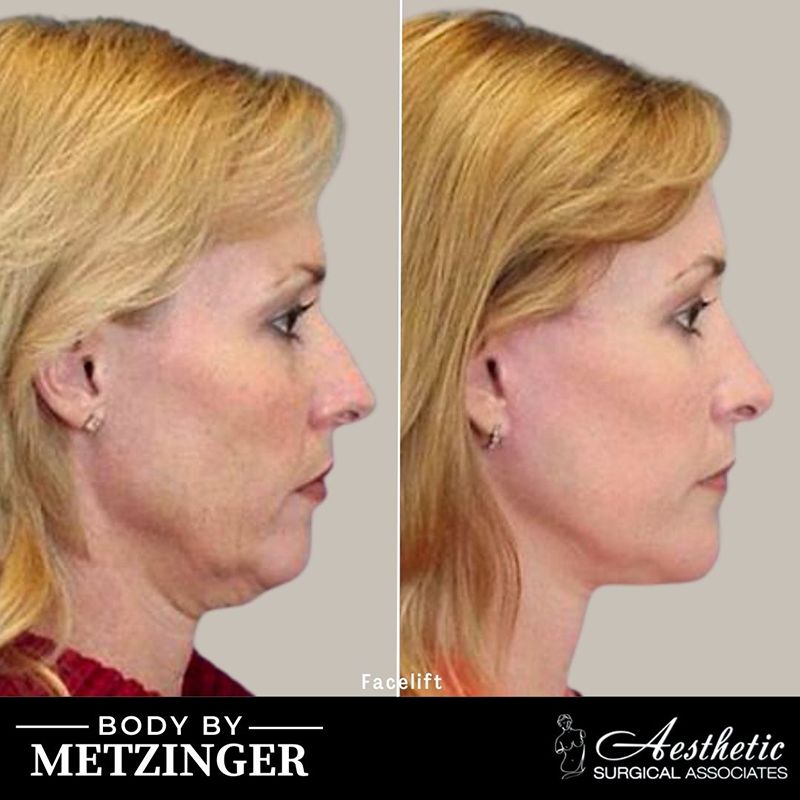
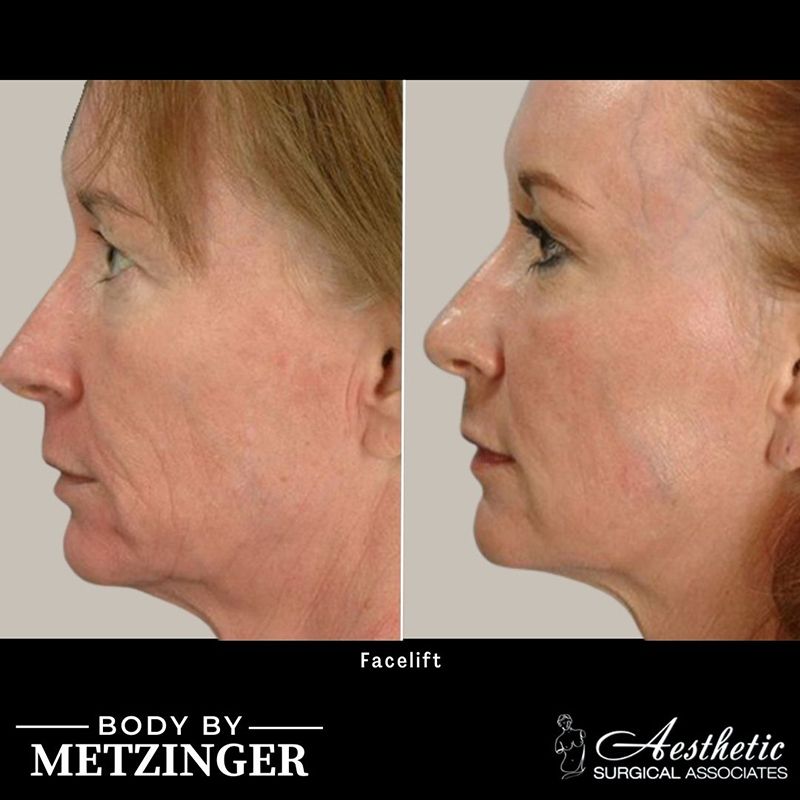
Dr. Metzinger’s own patients. Individual results vary.
On your back, with your head above your heart. Elevation lets fluid drain away from the face, reduces swelling and throbbing, and keeps pressure off the incisions in front of and behind the ears. Keeping your head straight, not turned or bent forward, avoids tension on the neck.
| Time after surgery | Sleep and recovery |
|---|---|
| Days 1–2 | Back only, head elevated 30–45°, compression garment; swelling and bruising peak |
| Week 1 | Continue elevation; short walks during the day |
| Week 2 | Swelling subsiding; garment continued; still on your back |
| Weeks 3–4 | Most symptoms gone; side sleeping often allowed once cleared |
| After week 4 | Normal sleep for most patients |
The sleep rules are the same, but recovery length can differ. Dr. Metzinger performs SMAS, deep plane and shorter “weekend” facelifts; your instructions are tailored to the technique used.
Call right away if one side of the face suddenly swells much more than the other, if you have increasing pain, bleeding, fever, or spreading redness. Sudden one-sided swelling can be a hematoma, which needs prompt treatment.
Usually 2–4 weeks after surgery, once your surgeon confirms you are healing well.
One night on your side usually causes extra swelling, not damage. Return to back sleeping and mention it at your next visit; call if you notice sudden one-sided swelling or pain.
Not in the first 2 weeks. Lying flat lets fluid pool in the face and increases swelling.
Yes, if it is part of your instructions; it supports healing tissue and limits swelling.
Considering a facelift in Metairie or New Orleans? Read about facelift surgery at Aesthetic Surgical Associates or book a consultation.